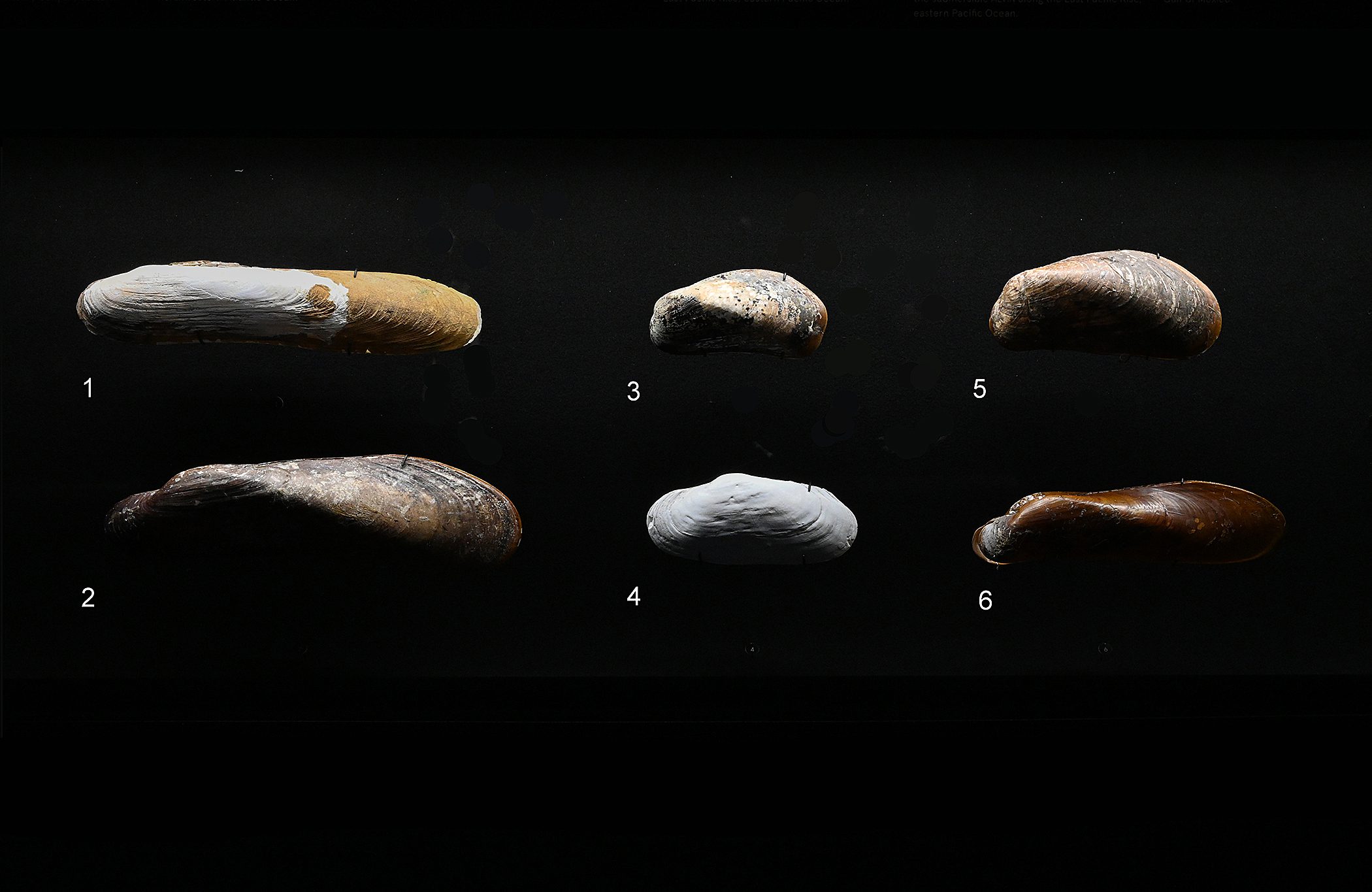
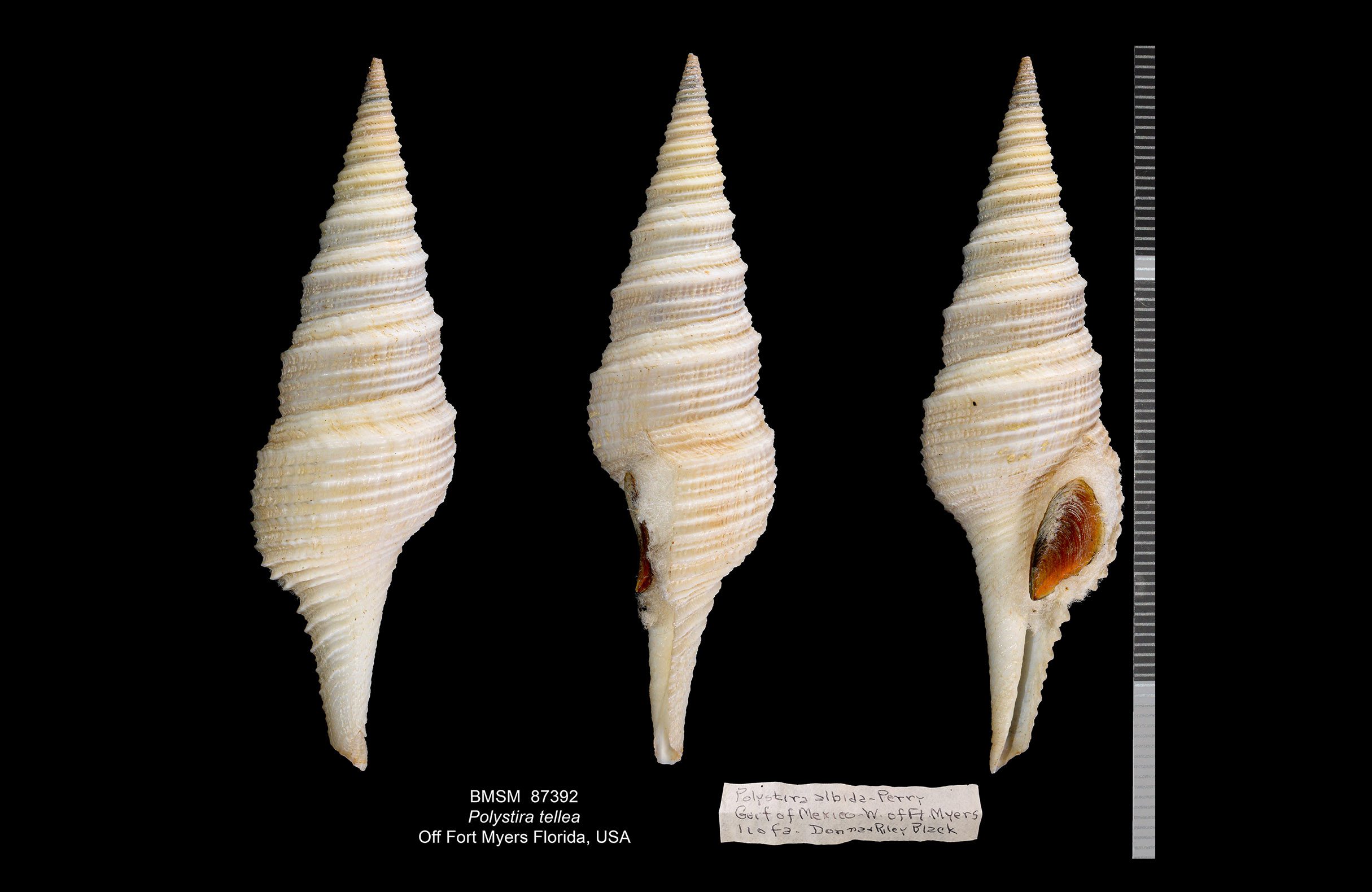
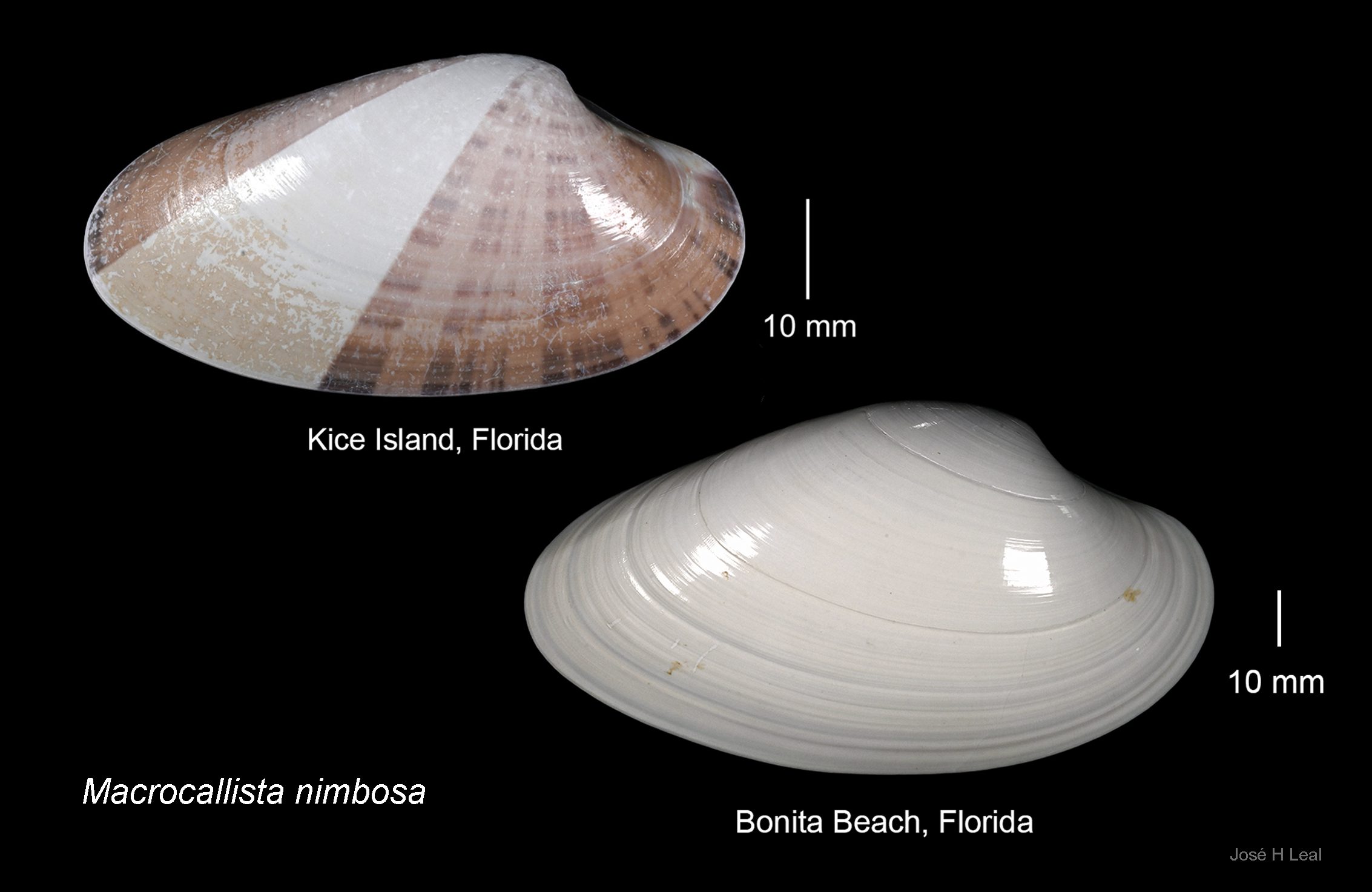
Most bivalve mollusks are filter feeders, straining microscopic plants known as phytoplankton from the water. Phytoplankton needs sunlight to perform photosynthesis and exist. Consequently, because of the lack of sunlight required for photosynthesis, phytoplankton is absent in the deep-sea. This limitation severely curtails the diversity of most families of bivalves in the deep realm. However, despite this dietary constraint, a few bivalve lineages were, in the course of their evolution, able to venture into and thrive in extreme ocean depths.
A distinctive type of feeding used by bivalves that successfully colonized the deep sea involves harboring specialized bacteria in their body and gills. These bacteria provide nourishment to the bivalves; in turn, the bivalves offer protection and a substrate for the bacteria to grow. The bacteria create their own energy from chemicals gushing out of hydrothermal vents and cold seeps on the deep seafloor. A few lineages of bivalves (gastropods too, by the way) that braved life in the deep rely on this type of partnership with chemosynthetic bacteria.
In a paper published this month in Proceedings of the Royal Society B Biological Sciences, Ava Ghezelayagh and collaborators propose that the deep-sea representations of two families of bivalves, the Mytilidae (mussels) and Lucinidae (lucines, or hatchet clams) have colonized the deep environment using contrasting evolutionary pathways. Representatives of both families partner with chemosynthetic bacteria in deep water. Using genetic data from approximately 300 species combined with depth range information for those species, Ghezelayagh and collaborators demonstrate that few species of Mytilidae invaded the deep-sea, followed by a dramatic diversification in the deep—at least 70 species of deep-sea Mytilidae are currently known.
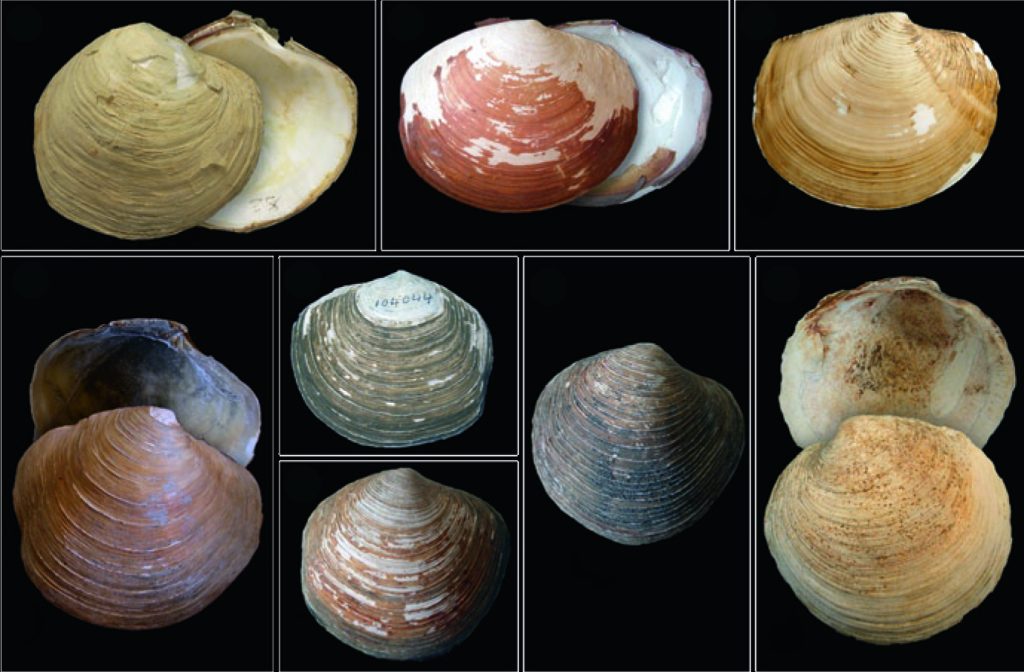
The Lucinidae species, on the other hand, evolved the ability to partner with chemosynthetic bacteria in shallow-water (mostly in muddy areas that provide the chemicals needed by those bacteria), having entered the deep-sea many times independently over the course of their evolution. And, in contrast to the Mytilidae, Lucinidae did not diversify too much in the deep environments. Ghezelayagh and her co-authors suggest that the approach used in their analysis could be used to examine the pathways used by other animals in their ventures into the deep realm.