Author Archives: Stephanie Muddell

Shell of the Week: The Bowden Murex

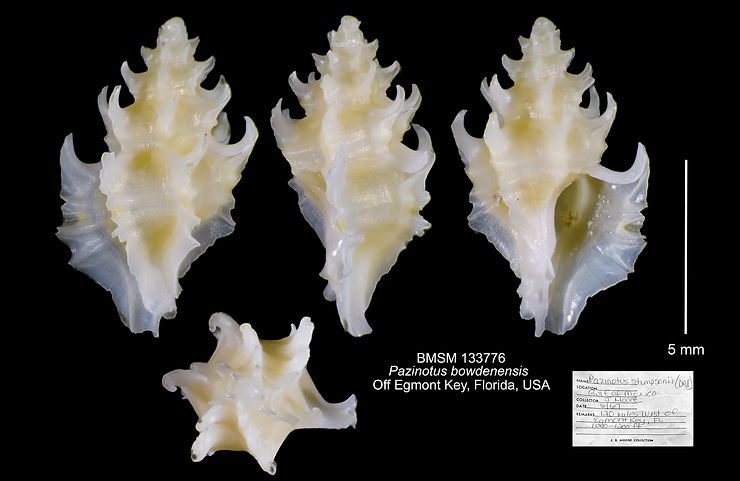
Pazinotus bowdenensis (E. H. Vokes, 1970), reaches about 14 mm (about 0.6 inch) in height. It shows a sculpture of about 6–7 strong varices per whorl. The varices bear prominent, curved spines on whorl shoulders. The color is whitish to cream-yellow, but some shells can be translucent and very delicately colored. The species was first named by Emily Vokes from a single fossil shell from the Bowden Formation (late Pliocene) in Jamaica but has since been found living off western Florida and Alabam
Here to Stay!

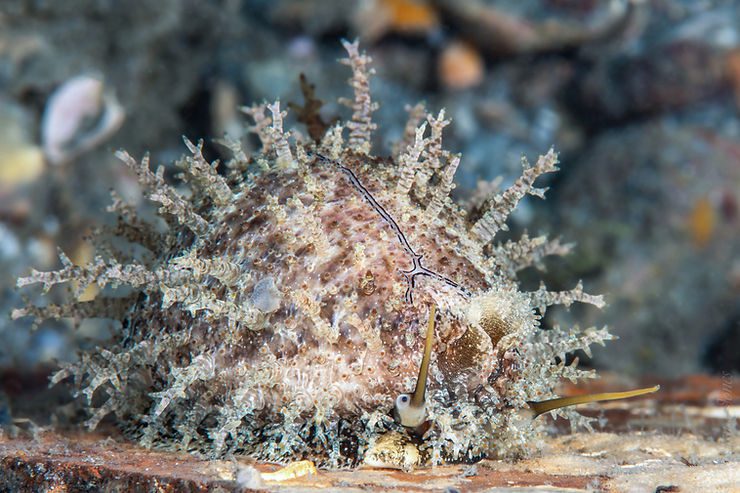
Since the discovery of the Thrush Cowrie, Naria turdus, in Florida in December 2022*, several other findings of the species have been informally reported for the east coast of Florida, most between Palm Beach County and Key West in the lower Florida Keys. The Thrush Cowrie originates from the Red Sea and western Indian Ocean, and had been introduced to the Mediterranean and Caribbean seas. One of the most recent sightings of the species took place in the same general area as that of the first fi

The New Octopus Garden

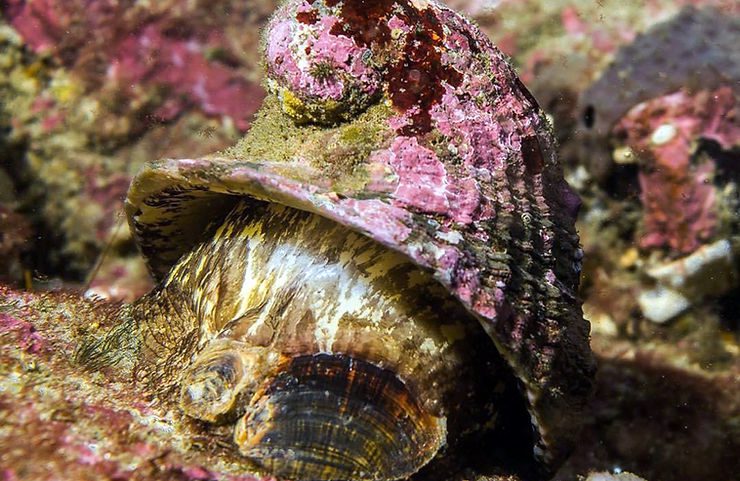
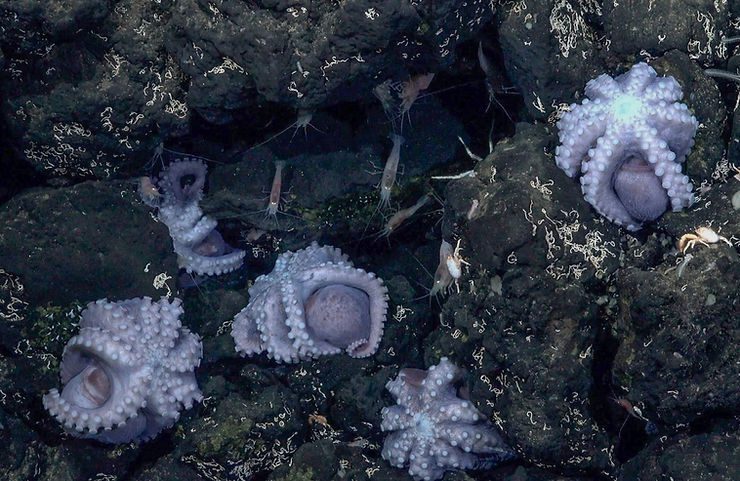
Social media has been abuzz with the finding of yet another deep-sea octopus nursery, this one off the coast of Costa Rica, at a depth of about 2,800 meters (about 9,200 feet). This is the third discovery of an octopus nursery in the deep ocean; in 2019 I reported in this blog about the finding of a nursery of Muusoctopus robustus*, then nicknamed “The Octopus Garden,” a gentle allusion to Ringo Starr’s song in the 1969 Beatles album Abbey Road. The original Octopus Garden was located near the D

“Loco” is the “Mollusk of the Year” for 2023!

For a few years now, the Senckenberg Museum Frankfurt, the LOEWE Center for Translational Biodiversity Genomics (TBG), and Unitas Malacologica have been promoting the election of “Mollusks of the Year.” The endeavor is non-discriminatory: Anyone can nominate their favorite species, from any geographic area. Species from marine, land, and freshwater environments are eligible. The selection takes place in March ever year, and TBG will sequence the complete genome (the entire DNA, comprising all ge

The Flat Mollusks Society

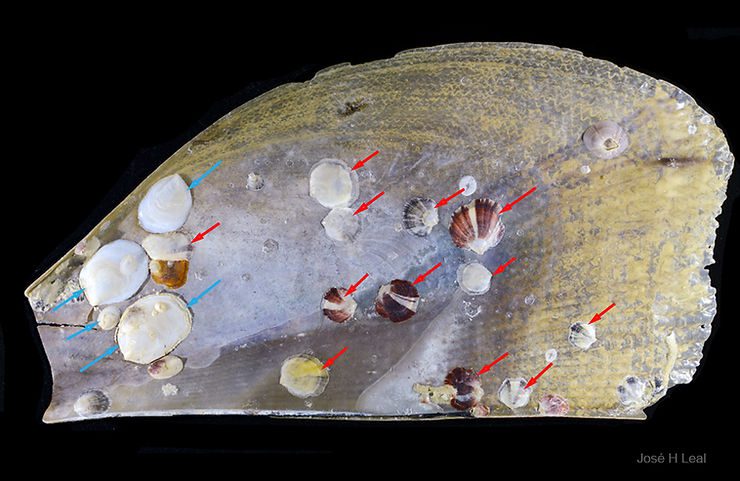
When walking the local beaches, National Shell Museum staff and local enthusiasts are always on the lookout for shells that are distorted, clipped, or bored by predators, shells with attached creatures, and any other molluscan oddities that may catch their fancy. A couple of weeks ago, Dr. Mike Reardon, who volunteers in the Museum collection, picked up a large fragment of a Sawtooth Pen Shell with several dead, dry mollusks attached (see photo). Among those were barnacles, Black-foot Slipper Sn

Social Distancing, Improved Accessibility

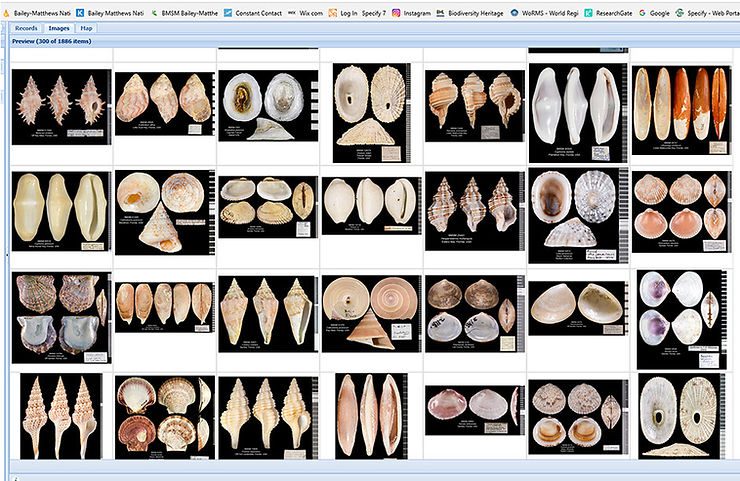
The onset of Covid-19 coincided with the release of a new web portal (a “search page”) for the National Shell Museum collection catalog and associated records. Although many states and local governments are re-opening and relaxing limitations on public activities, it is always prudent to limit outings and communal pursuits. So, why not spend some quality time looking at some of our online collection data, including photographs? At this point, about 1,900 collection lots include image attachments

Fabio Moretzsohn: 1964-2020

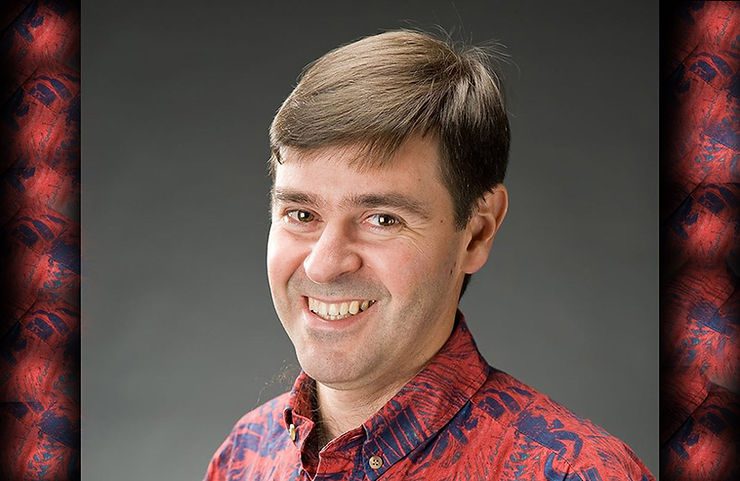
As some of you may already know, this week we lost a friend and well-known malacologist at the peak of his productive scientific and educational career. On Monday, January 6, 2020, Dr. Fabio Moretzsohn passed away, of complications from lung cancer. Fabio received his B.S. in Biology in 1987 from the University of São Paulo, in Brazil. In 1993, he received his M.S. in Biology from the University of the Ryukyus in Okinawa, Japan, and in 2003 was awarded his Ph.D. in Zoology from the University of

Cone Snail Ballistics

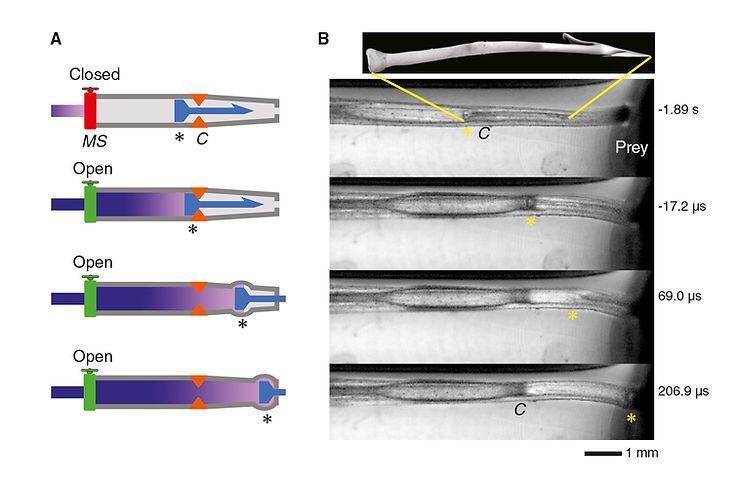
In addition to producing some of the most potent venoms in nature, cone snails are now known to deliver one of the fastest predatory strikes in the animal kingdom. In a paper recently published online in Current Biology, Joseph R. Schulz from the Occidental College in Los Angeles and his collaborators have shown that the strike by the radular tooth of the fish-hunting Cat Cone, Conus catus, reaches speeds comparable to those of a bullet being fired from a pistol. The entire strike happens in les